HABITAT FILM FESTIVAL 2026
15th - 24th May, 2026
To register, click on each film and fill in the necessary details
HABITAT FILM FESTIVAL 2026
15th May 2026
16th May 2026
17th May 2026
18th May 2026
19th May 2026
20th May 2026
21st May 2026
22nd May 2026
23rd May 2026
24th May 2026
The Battle of Colachel (English/2025/ 23 mins) Dir. Yadu Vijayakrishnan. In 1741, the world's largest naval force, the Dutch decided to attack and conquer a tiny kingdom of the southernmost tip of India. The historic battle went on to become significant in world history where a tiny Asian kingdom defeated a mighty European force.
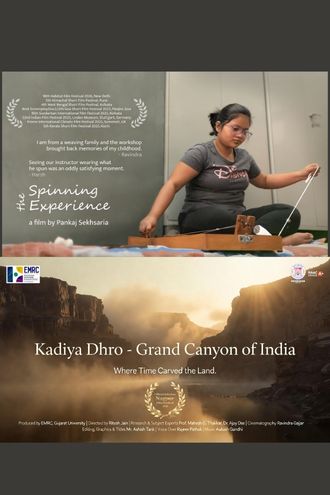
The Spinning Experience (English/2025/ 17 mins) Dir. Pankaj Sekhsaria. Is the charkha an obsolete technology? Is it a slow and un-productive relic of the past that we remember only because of Gandhi or its role in the freedom struggle? Can it play any role at all in the many crises we are facing today? The Spinning Experience follows 30 IIT Bombay students while they learn the slow and gentle art of hand-spinning on the charkha over three days and engage with these and other questions as they go along. The learning unfolds in many ways... the yarn breaks, but the spirit does not as new meaning is created for age-old ideas of skill, labour, sustainability, history and craft.
Women of Munsiyari (Hindi/ 2025/ 11 mins) Dir. Rachita Gorawala. In the Himalayan village of Munsiyari, Uttarakhand, the forest is far more than landscape—it is livelihood, memory and spirit. Once dispossessed by colonial forest laws that criminalised traditional communities, villagers fought back through the creation of Van Panchayats, people-led forest councils. Today, in a society long shaped by caste and patriarchy, the women of Munsiyari stand at the forefront of this movement. As vigilant chowkidars, they patrol, preserve and defend the forest they lovingly call their maika—their natal home—transforming stewardship into an act of resistance, solidarity and survival.
Kadiya Dhro: Grand Canyon of India (English/ 2025/ 22 mins) Dir. Ritesh Jain. A production by EMRC, a pioneering UGC-established media centre with 15 National Awards for excellence in educational and documentary filmmaking. This documentary,directed by Er. Ritesh Jain, unveils the captivating story of the Kadiya Dhro, a geological marvel hidden in the heart of Kutch, Gujarat, India. From ancient times to a modern-day economic hub, Kutch has witnessed a remarkable journey. This film explores the regions diverse landscapes, shaped by millions of years of geological evolution and tectonic activity. It delves into the formation of the Kadiya Dhro, a series of breathtaking gorges and canyons, while unravelling the intricate tapestry of Kutch's history and culture. The documentary highlights the impact of the 2001 Bhuj earthquake, showcasing the regions resilience and subsequent economic transformation driven by tourism. Through stunning visuals and expert interviews, it unveils the secrets of the Kadiya Dhro's formation and its significance as a habitat for diverse flora and fauna. Kadiya Dhro: Grand canyon of India is a discovery of natures artistry and human resilience, inviting viewers on a visual and intellectual journey through one of India's most captivating landscapes.
Saree And Scrub (Malayalam/ 2026/ 29 mins) Dir. Vishnu Mohan and Devendu. This documentary explores the lives of Kerala's unseen and uncelebrated housemaids, vital to India's domestic workforce yet facing daily exploitation and lack of recognition. Through raw, heartfelt stories, it unveils their resilience, daily struggles, Hidden sacrifices, and unwavering hope for a better future. It underscores calls for change, celebrating the unbreakable strength and spirit of women fighting for recognition against all odds.

In a village where women observe a superstitious veiling practice, Subbu's face appears on a magazine. Despite her pleas of innocence, she is subjected to dire consequences. But an enigmatic occurrence gives her a chance to prove herself. And so she sets out on a journey to find the photographer responsible, accompanied by her aunt Rathnamma and Ami, a frustrated Engineer from Delhi.
The director will be present for a post screening discussion.

"Paranthu Po” is a heartwarming musical comedy about Gokul, a hardworking father, and his 8-year-old son, Anbu, who feel emotionally distant despite their efforts. Anbu is frustrated with
his father's smoking habit and lack of attention. When Glory, Gokul's wife, is away working, Anbu convinces Gokul to take him on a motorbike ride that spirals into a three-day road trip after encountering a debt collector. As they journey through unfamiliar places and meet kind-hearted strangers, father and son rediscover the importance of connection and freedom, learning what truly ails their lives back home.

In this coming-of-age film, the lead character, a young girl, representing all girls of her age, moves through the tumultuous teenage years filled with choices and experiences that shape her identity. As she seeks to understand her physical and psychological needs, she embarks on a journey of self-discovery—a journey of discovering "me"—that leads her down misguided paths. Her yearning for freedom becomes a metaphorical cage, trapping her and affecting those around her, including her parents, friends, and other individuals who try to save her. This unravels relationships and reputations along the way. The story explores themes of desire, reputation, and the complexities of growing up, ultimately highlighting the turmoil that can arise from the quest for self-exploration.
The Director will be present for a post screening discussion.
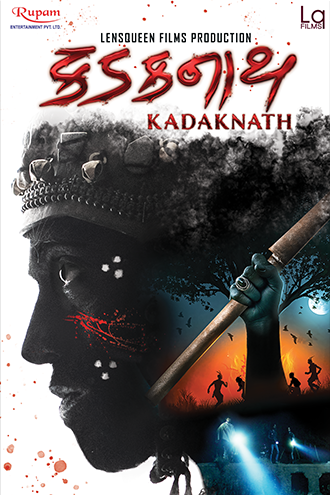
In a remote Gujarat village, targeted gruesome murders terrify a peaceful tribal community. The villagers seek help from Abhaysinh, a reputed poultry farmer, as they believe his mystical skill passed down from his forefathers can help them in crisis. Struggling with hallucinations, Abhaysinh discovers a haunting link to the murders, the hidden traumatic past of the village and his own.
The Director will be present for a post screening discussion.
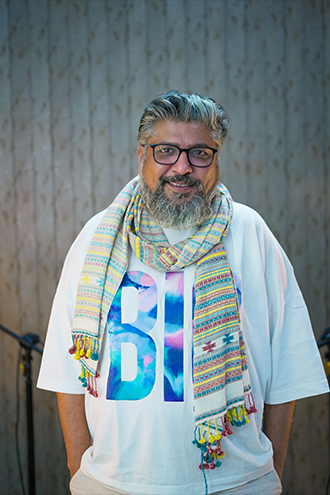
From Research to Reel: Crafting Feature Film Stories. Led by two-time National Award winner Kamakhya Narayan Singh, this masterclass will explore how research can shape compelling feature films based on real events. It will delve into key research methods—interviews, archival study, and experiential learning—and demonstrate how these are transformed into engaging cinematic narratives that balance authenticity with dramatic storytelling, resulting in credible, impactful, and authentic film stories.

Two childhood friends from a small North Indian village chase a police job that promises them the dignity they’ve long been denied. But as they inch closer to their dream, mounting desperation threatens the bond that holds them together.

Based on Mirza Hadi Ruswa's 1899 Urdu novel “Umrao Jaan Ada”. After her father testifies against a corrupt cop in Faizabad, young Amiran is kidnapped and sold to Khanum Jaan's brothel in Lucknow. There, she is rechristened Umrao Jaan and trained in the arts of poetry, music, and dance, eventually rising to become a legendary courtesan. Beloved by aristocrats and patrons, she finds true love with the nobleman Nawab Sultan, only to have her heart shattered by societal pressures and personal betrayals. Asha Bhosle won her first National Film Award for Best Female Playback Singer for the song "Dil Cheez Kya Hai" from the film.
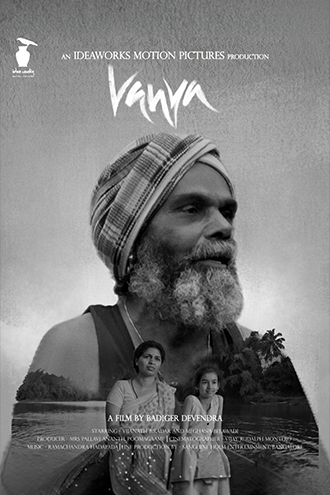
Deep in an ancient forest, Kariyappa, a reclusive old man, lives in harmony with the wilderness that has been his home for decades.
His days are quiet, filled with the rhythms of the jungle—birdsongs at dawn, silent stags at dusk, and trees that seem to whisper stories. He is a man forgotten by time, shaped by solitude, and fiercely protective of his land. But when a project threatens to cut through the forest for legal reasons, officials arrive to convince (or force) Kariyappa to leave. What begins as a procedural eviction spirals into a complex psychological and moral conflict. The forest,
almost a character in its own right, becomes a battleground between modernity and memory. With subtle twists, the film explores how nature heals, how bureaucracy corrodes empathy, and how the old man’s quiet resistance sparks something unexpected in the people sent to displace him. By the time the final decision must be made, another twist happens that no one ever expected.
The Director will be present for a post screening discussion.

Two police officers are brutally murdered in a small police station on the outskirts of the city. Ram Chaudhary (35), who is a senior officer at the Central Bureau of Investigation (CBI) that deals with terrorism, is appointed in charge of the investigation. While investigating, Ram meets a talented and beautiful artist named Gita (33) whose works deal with the conduct of individuals when they are a part of a group or a mob. As the plot progresses the acquaintance between Ram and Gita deepens and their relationship warms up. Later, when two more police officers are
murdered, Ram is pressured to move forward with the investigation. Several suspects are arrested and interrogated, but no connection is found between them and the murders. The two storylines, the friendship between Ram and Gita and the investigation, intertwine and feed each other, increasing the tension and mystery leading to the revelation of the secret behind our story.
The Directors will be present for a post screening discussion.
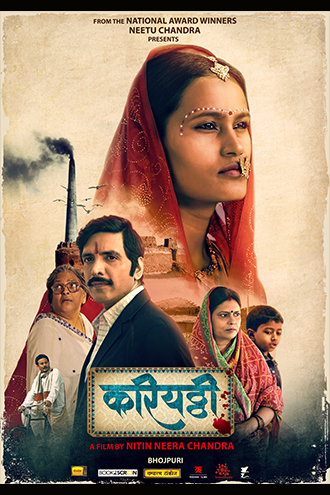
“Kariyatthi” is a film set in Bihar, based on Saroj Singh’s Bhojpuri literature. Spanning 1960 to 1990, it tells the poignant story of Rani, a dark-skinned girl born into an upper-caste family, where her complexion becomes a source of constant discrimination. Despite her father’s status as an Ayurvedic doctor, his desire for a son and societal bias leave Rani and her similarly dark-skinned sister marginalized, particularly by their grandmother.
As Rani grows up facing prejudice at home and school, her prospects for marriage remain bleak. However, when Jagdish Dubey, a widowed teacher, brings his ailing son for treatment, Rani forms a bond with the child. Moved by her care and character, Jagdish proposes marriage, which is accepted with relief by her family.
Rani and Jagdish share a happy life, and she soon becomes pregnant. Tragically, she dies after slipping into a river while returning from a medical visit. The truth behind her death is revealed only thirty years later.
The Director will be present for a post screening discussion.
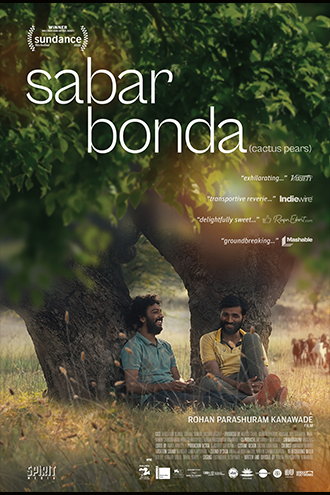
Anand, a 30-something city dweller compelled to spend a 10-day mourning period for his father in the rugged countryside of western India, tenderly bonds with a local farmer struggling to stay unmarried. As the mourning ends, forcing his return, Anand must decide the fate of his relationship born under duress.
The Director will be present for a post screening discussion.
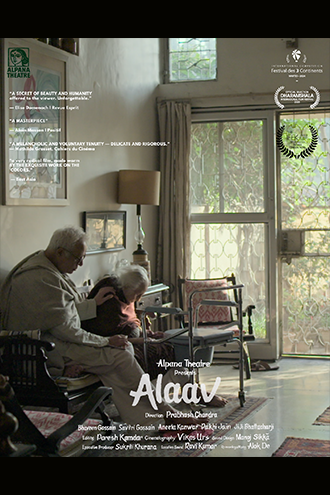
Alaav is the story of Bhaveen Gossain, a 63-year-old son, taking care of Savitri, his ailing 95-year-old mother in their home nestled in a quiet suburb of New Delhi, India. Bhaveen rarely steps out of his house as he is completely devoted to looking after his mother. From waking up in the morning until going to sleep, Bhaveen is the sole caregiver for his mother, Savitri.
The film not only deals with the tenderness, playfulness, patience and devotion of Bhaveen but also the struggles, frustrations, resentment and passive aggression caregiving entails. It is a dispassionate yet intimate portrayal of the human bond between a mother and son along with the other people closely involved in Bhaveen’s life.
The Director will be present for a post screening discussion.

With her yak Riri and an old cathodic TV, a mother journeys through the Kashmiri Himalayan peaks to screen her son’s film-banned by religious fanatics and state, a path that breaks her body and mind but ultimately lead her to profound, liberating freedom.
The Director will be present for a post screening discussion.
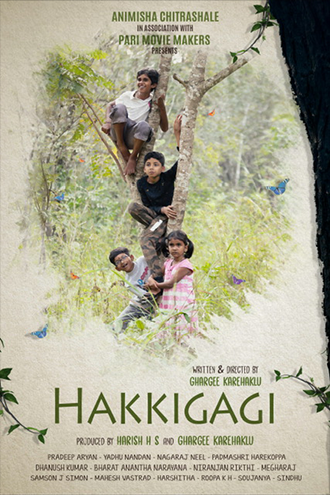
When four or five children lose a friend and cannot find their way, another friend comes to help. But due to her parents’ lack of understanding, she has to go away. In our surroundings, there are few minds that can recognize and encourage growing sensitivities. Even in such an environment, these children manage to create conditions that support their dreams and try to bring their friend back. In this situation, though they face disappointment, they do not give up on their dreams. Along with reaching their goal, they succeed—at least to some extent—in changing the minds of the people around them.
The film also questions how badly our surrounding environment is deteriorating—along with our health, minds, and the true development of children—without parents even realizing it. It shows the impact of the negative changes in our surroundings on our homes, agriculture, and the general public. It reflects on how our education system is changing the mindset of villages to that of cities, how truth-tellers in every era are seen as odd or crazy, and how those who challenge society’s negativity are suppressed. The movie raises many such questions.
The Producer Harisha H Siddappa will be present for a post screening discussion.
Rail Cinema - A Journey through stories (Hindi/ 2025/ 40 mins) Dirs. Sachin Susheel and Dr.Saurabh Khawle. ‘Rail Cinema – A Journey Through Stories’ is a documentary film that explores the emotional, cultural, and cinematic bond between Indian Railways and storytelling in Indian cinema. It highlights how trains have served as powerful symbols of love, separation, migration, dreams, and human connection across generations of films. From memorable scenes on railway platforms to journeys that shaped iconic narratives, the film captures the timeless presence of railways in visual storytelling. It presents rail travel not just as transport, but as a moving stage for countless unforgettable stories.
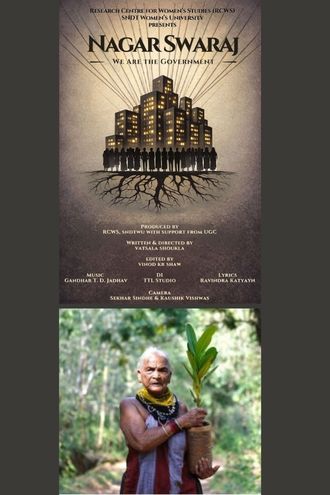
Nagar Swaraj: We Are the Government (Hindi/ / 2025/ 27 mins) Dir. Vatsala Shoukla. Nagar Swaraj: We Are the Government emerges where constitutional imagination meets the lived realities of the city, tracing the unfinished promise of participatory democracy in urban India. This is not a conventional documentary. By placing the camera in the hands of women grassroots leaders—Area Sabha representatives—the film shifts the axis of authorship. The gaze is no longer external; the women are not being represented—they are representing. As they navigate everyday struggles around water, sanitation, safety, and dignity, the film creates a people’s cartography of the city—and asks who truly shapes urban life when citizens begin to claim government as their own.
Tulasi - Mother of Forest (English/ 2025/ 25 mins) Dir. K.Gopinath. This is the life story of the 83 year old Padma shri awardee Tulasi Govinda Gowda who had at the very early age as a child love for nature and environment. Living in a small village Honnali, Ankola Taluk, Uttara Kannada district of Karnataka adjacent to River Kali, 20 kilometer from Taluk head quarters she has planted more than 30 lakhs of plants in the forest and nurtured them with environmental concern. Tulasi Gowda cannot explain how she gathered her knowledge of the forest, but says it is as if she can speak the language of the forest. In the traditions of her. Tulasi Gowda is known by environmentalists as the Encyclopedia of the Forest and by her tribe as the tree goddess because of her knowledge of the forest and its plants. She is known for her ability to identify the mother tree of every species of tree in the forest no matter where it is.
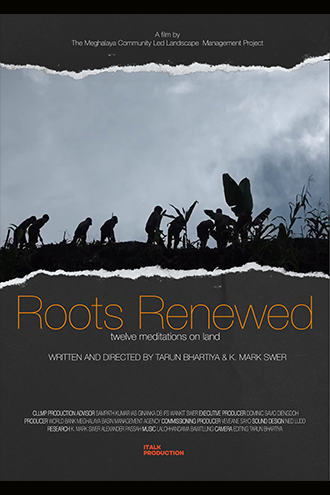
Produced with the support of the World Bank and documenting work carried out under the Meghalaya Community-Led Landscape Management Project, Roots Renewed is a documentary set across multiple locations in rural Meghalaya. The film charts intimate chapters from the lives of its rural inhabitants as communities work to restore their landscapes and revive traditional stewardship of the environment.
The documentary brings together the voices of farmers, women, youth, community leaders, field practitioners, and individuals across the Khasi, Jaintia, and Garo Hills regions of the state. Through their own words and actions, the film observes how communities respond to environmental stress, reviving traditional land practices, restoring forests and water systems, and adopting simple, sustainable solutions rooted in local knowledge, while aligning these efforts with institutionally supported initiatives.
Shot with minimal intervention and edited to preserve the natural rhythm of voices and moments recorded, Roots Renewed does not explain or instruct. Instead, it listens. By placing people and landscapes at the centre of the narrative, the film quietly documents a collective effort to care for land that sustains both livelihood and culture.
Patient in its pace, the documentary reflects on existing challenges and the gradual coming together of people’s emotions, perspectives, and actions as they move toward collective stewardship. Roots Renewed ultimately stands as a record of community-led change and the enduring relationship between people and their land.
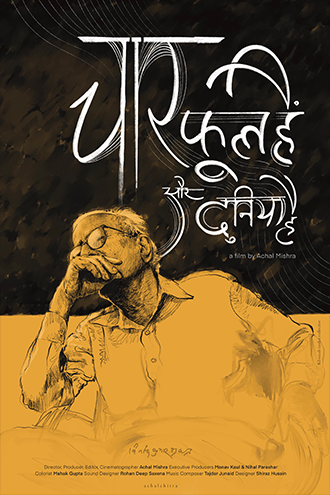
A meandering brook of moments from two afternoons spent with
Vinod Kumar Shukla, his wife and son at their home in Raipur, saunters between the mingling geographies of past, present and future, drifting in and out of pauses—to ponder, to reflect, to
reminisce, and to share.
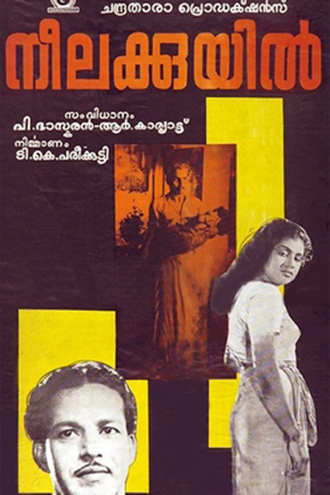
When a woman is found dead beside her illegitimate child, a postman adopts the infant, hiding its origins from the world. Years later, the child's biological father steps forward to acknowledge paternity. Consumed by guilt and anguish, he begins to question the choices that led to the woman's death and his own abandonment of their child. The film culminates in his quiet, painful resolution: a true acceptance of his child and, finally, of himself.
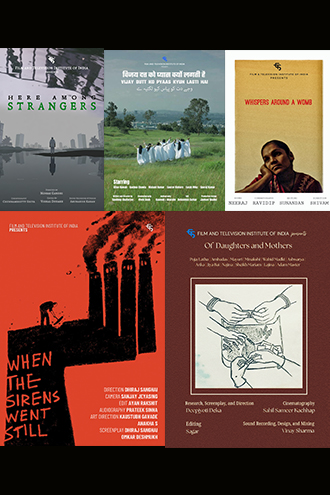
Vijay Dutt Ko Pyaas Kyun Lagti Hai (Hindi/ 2026/ 35 mins) Dir. Sandeep Chatterjee. K, a young filmmaker dreaming of a modern Guru Dutt’s Pyaasa, is pulled by a mysterious woman’s voice into a forest on a hill. There, in an abandoned factory, he meets ghosts — joyful souls with sad pasts — who are planning a revolution.
Whispers Around a Womb (Marathi, Hindi/ 2025/ 20 mins) Dir.Shivam Anand. Despite medical progress and awareness drives, HIV-positive people in Beed, Maharashtra, are still shunned from homes, schools, and jobs. Drawing from real stories in Pali village, the aim is to portray their demonised, fearful existence.
Of Mothers and Daughters (Marathi, Hindi/ 2025/ 20 mins) Dir. Deepjyoti Deka. The film follows women beedi rollers in Gharkul, Solapur, whose hands — conditioned by endless repetition — begin to move with a memory of their own. As labour, rest, and life blur into one act, it probes questions of agency, alienation, embodiment, and the invisibility of feminised work.
When the Sirens Went Still (Marathi/ 2025/ 16 mins) Dir. Dhiraj Singhai. In a decaying village shuttered by its mill's closure, a desperate man robs gold from corpses to survive. Trapped mid-robbery, he mutilates himself to break free — unaware the mill has just reopened, making his sacrifice tragically pointless.
Here Among Strangers (Marathi/ 2025/ 13 mins) Dir.Mohak Gandhi. At the heart of this changing terrain is Sudhakar Bhujbal, a seventy-year-old farmer who still tends his small patch of soil in what is now the city of Wakad. His family, neighbours, and community long ago sold their lands and moved into high-rises. Sudhakar remains—not out of resistance or ideology, but because farming is the only life he knows, and the one he chooses. As the city rises around him, he stays grounded, unhurried, untouched by the capitalist urgency that surrounds him.
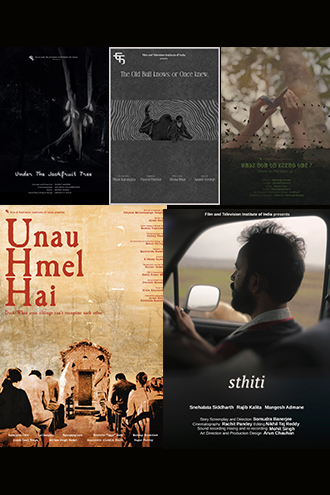
Under the Jackfruit Tree (English, Marathi, Bengali, Malayalam, Bhojpuri/ 2025/ 12 mins) Dir. Saurav Mahind. In a world where passion and intimacy are often concealed behind tradition and taboo, this documentary explores the evocative relationship between fruits and human desire. The film becomes a meditation on how we hunger, how we connect, and how we sometimes lose ourselves in the search for sweetness. What emerges is a portrait of desire itself, stained with both sweetness and shadow.
The Old Bull knows, or Once Knew (English, Marathi/ 2025/ 13 mins) Dir. Milan Kumar. An aging sacred bull is sent to a shelter, forcing his old caretaker to let go. Their farewell unfolds on the margins of a city, mirroring the slow disappearance of the nomadic Nandiwale community and their way of life.
Where do the trees go? (Santali/ 2025/ 16 mins) Dir. Mansingh Baskey. After his mother remarries, nine-year-old Sagen struggles to feel at home with his uncle and aunt. As he slowly begins to find warmth and belonging, his mother returns for a final goodbye — leaving him frozen, terrified of losing the home he was just starting to find.
Unau Hmel Hai (English, Hindi, Mizo, Nagamese/ 2025/ 14 mins) Dir. Stephen Rengsi. On his wedding day in the hills of Northeast India, a former soldier and survivor of the Battle of Kohima is haunted by fractured memories of the war — uncovering the forgotten trauma of Indian soldiers who fought on opposing sides, both hoping for independence.
Sthiti (Assamese, Hindi, Marathi/ 2025/ 24 mins) Dir. Somudra Banerjee. Afraid he may have struck someone, a cab driver drifts into ancient pastoral lands. Picking up a man who mistakes him for a land buyer, he gains an unwitting alibi—until an unexpected shock forces him to confront what he tried to escape.
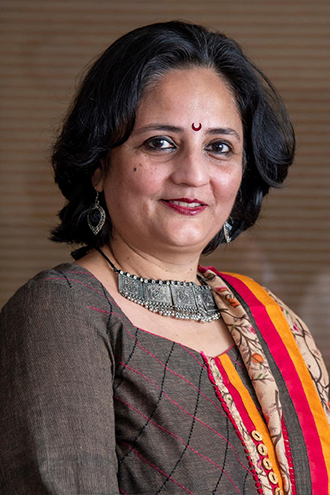
A talk on Indian and global stories by Dhvani Desai, acclaimed animation filmmaker and curator in conversation with Murtaza Ali Khan, film critic and journalist.The session examines the contrast between animation storytelling in India and across the globe—from India’s linear, culturally rooted narratives to the layered, experimental, and often surreal forms found in Latin America and Europe—tracing how stories transform as they cross borders. It also delves into the artistry of the medium, spanning 2D, 3D, visual effects, and stop-motion, to reveal how technique directly shapes narrative. Ultimately, the focus shifts toward themes that transcend culture and age, fostering animation that is both visually captivating and universally resonant.

In a home suffocating under the weight of a shared trauma, Alwin and Priya’s marriage has slipped into a bitter cycle of anger and avoidance. When Priya’s torment suddenly gives way to an eerie change, Alwin’s unease turns to fear; her change feels unnatural, almost inhuman. His search for answers leads him to a secret buried beneath. To understand the stranger his wife has become, Alwin must confront that same void and risk losing himself to it.
The Director will be present for a post screening discussion.
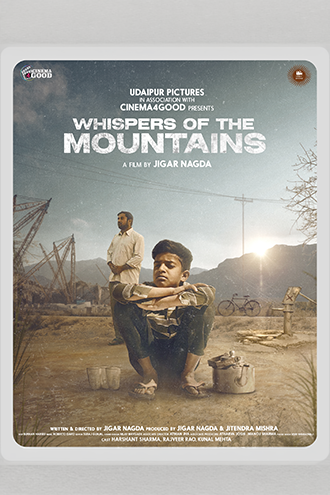
In the rugged Aravali region, a struggling tea stall owner embraces mining for survival, unaware thathis mute son, torn between duty and his love for nature, quietly rebels by planting trees to heal the land being destroyed before his eyes.
The Director will be present for a post screening discussion.
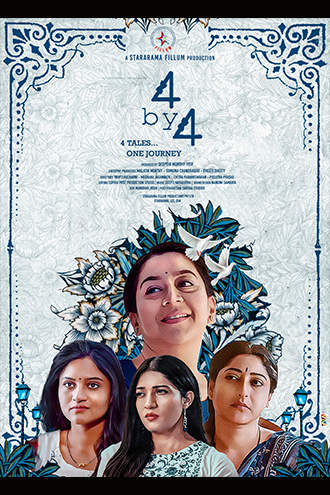
4 by 4 is an evocative anthology of four stories, each directed by a woman and created by an all-women team. It explores emotional landscapes of love, loss, ambition, resilience, and transformation—capturing journeys from quiet sacrifice to self-discovery, betrayal, and healing, while celebrating strength, vulnerability, and depth across generations.
The Director will be present for a post screening discussion.
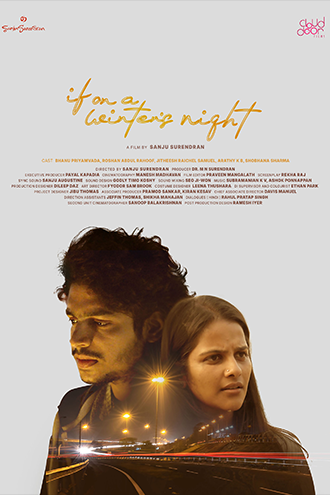
Sara starts a new life in Delhi with partner Abhi, but their happiness is disrupted when Abhi spends her family's money on his art exhibition. As outsiders in a hostile city, they find solace in friends Simon and Gopika, who are also navigating their own struggles. Simon sacrificed his love for a home, while Gopika lost her spiritual haven. Together, they face the challenges of homelessness, identity, and love in a city that seems indifferent to their struggles.
The Director will be present for a post screening discussion.
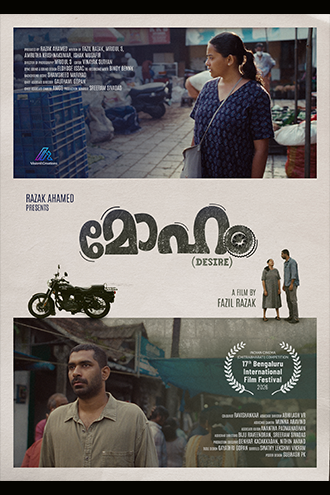
Amala faces psychological challenges due to some bitter experiences in her life. Taking advantage of this, a young man named Shanu befriends her and involves her in crimes to escape the law and punishment.
The director will be present for a post screening discussion.

Thooya, a migrant and aspiring actress, survives the city by leveraging beauty and wit, occasionally trading intimacy for opportunity. When she sublets her sugar daddy’s upscale apartment to Swetha, a fellow migrant working a corporate job, the two women—seemingly from different worlds— begin to share more than just a space. Amid the relentless pulse of Mumbai, they discover a silent empathy. But as personal histories, desires, and wounds resurface, their delicate connection is tested. What follows is not a rupture, but a strange and tender unfolding—of selfhood, of survival, of unexpected kinship.
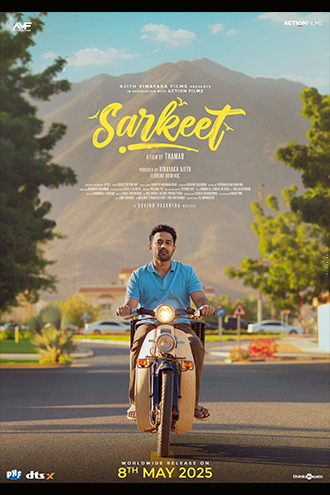
In a foreign land far from the comfort of home, Balu and Stephy struggle to keep their lives from fraying. Between demanding jobs and the relentless energy of their young son Jappu — whose ADHD constantly disrupts routines — every day feels like a balancing act on the edge of collapse. Their fragile rhythm is pushed to the limit, leaving little room for rest, patience, or dreams.
Into this already strained world steps Ameer, a desperate job seeker whose own life is teetering on the brink. What begins as an accidental meeting gradually transforms into an unexpected connection. As the hours unfold, subtle moments of empathy and shared struggle begin to bridge the vast emotional distances between them.
But in a single day, the fragile harmony they try to protect is tested by unspoken frustrations, simmering conflicts, and hard choices. As tensions mount, raw emotions surface — revealing both the quiet cruelties and the quiet kindnesses that bind people together.
In the soft, chaotic stillness of one ordinary day, something changes for them all — not in loud declarations, but in the unspoken understanding that sometimes, the smallest shifts can alter the course of a life.
The Director will be present for a post screening discussion.
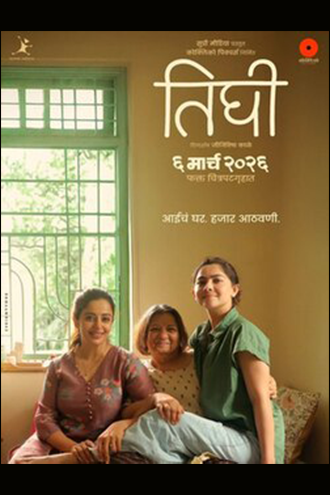
Tighee, two estranged sisters, are forced to reunite when their ailing mother Hemlata is diagnosed with ovarian cancer. As the siblings come together under one roof to care for her, long-simmering resentments and the strains of caregiving threaten to tear them apart again. However, in the quiet of a single night, old memories begin to surface, offering a fragile hope for reconnection. This tentative peace is soon shattered when a decades-old family secret—concerning the suspicious death of their father—comes to light, forcing each woman to confront the hidden traumas that have defined their lives. As the truth unravels, Tighee explores how families can be held together by silence, sacrifice, and the secrets that both protect and destroy them.
The Director will be present for a post screening discussion.

After 18 years of being a devoted homemaker, Amreen is left with the responsibility of running a household due to her husband’s freak accident . Her neighbour finds her a job as a cook in a household that only eats vegan food. Clueless about the culinary habit of the rich, Amreen has a tough time as she navigates home and work life.
The Director will be present for a post screening discussion.
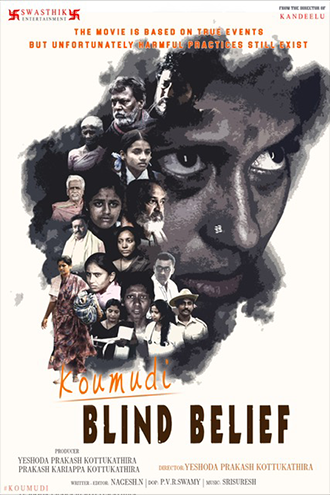
"Koumudi" is a Kannada film that exposes the age-old tradition gripping at some region, where menstruating women and new mothers face banishment to squalid sheds due to beliefs of impurity. While new mothers are sent to the shed for 63 days, first-time menstruating women are sent for 23 days. Chithavva, a resilient newcomer to the village, swiftly becomes a vocal opponent of these oppressive customs. Despite fierce community
resistance, she remains steadfast in her mission to challenge and abolish this practice. Avani, the progressive daughter of the village head, joins her cause but struggles against her father's staunch adherence to tradition.
The narrative intensifies when Chithavva gives birth and is exiled to a remote shed. Isolated and vulnerable to wildlife and harsh elements, she battles profound loneliness and risks her own life. Her anxiety heightens with the disappearance of Prema, her brother-in-law’s daughter, who faced a similar fate during her first menstruation. Amidst these trials, Chithavva’s resilience is tested as she fights to protect her newborn and confronts the life-threatening consequences of tradition. "Koumudi" poignantly explores the impact of entrenched practices, challenging audiences to contemplate their societal costs and the courage required for change.
The Director joins via Zoom for a post screening discussion.
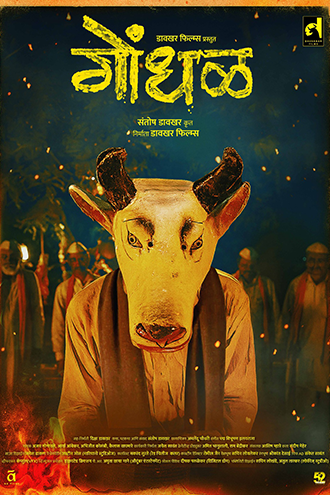
Set against the vibrant yet volatile cultural backdrop of rural Maharashtra, Gondhal explores the collision between ritual tradition, personal ambition, and human vulnerability. As relationships fracture and loyalties are tested, the narrative gradually reveals buried truths and emotional tensions beneath
ceremonial festivities. Blurring the boundaries between folklore symbolism and contemporary socio-political realities, the film unfolds as a psychological and cultural thriller rooted in lived experience.
The Director joins via Zoom, while Production Designer Sandeep Meher will be present for a post screening discussion.

A mother-daughter living an isolated life in tandem with nature in remote island come into focus of the world when news of the middle-aged daughter being bit by a poisonous insect and requiring immediate expensive treatment goes viral. As the world turns its eyes and cameras towards their hitherto secluded life, conjectures about their family ancestry, sexuality, snakes, mythology and politics begin to surface while they charter the unfamiliar territory of social media and donation drives. Whether the focus of people involved is helping these women or milking the situation, and juxtaposition of social media in private lives of individuals explored in movie. It traces the unshakable faith people have in their religious and traditional practices and explores the blurring-of-lines between fiction and reality in this post truth world of alternative facts and information overload where everyone sticks to their own version of truths informed by their own values and prejudices.
The Director will be present for a post screening discussion.
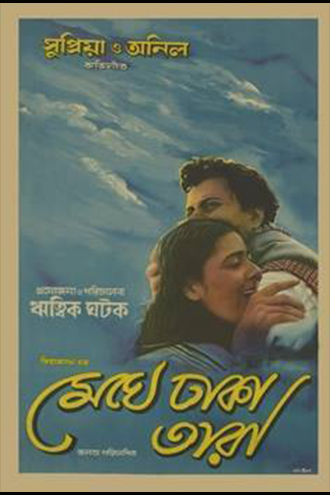
Set against the backdrop of the Partition of Bengal, Ritwik Ghatak’s 1960 masterpiece follows Neeta, the selfless eldest daughter of a struggling refugee family in the outskirts of Calcutta. Bearing the entire financial and emotional weight of her unappreciative relatives—a disabled father, an idealistic brother, and a cunning sister—she quietly sacrifices her own education, love, and health. Her lover Sanat abandons her for her younger sister Gita, her brother’s climbing career stalls, and the family never acknowledges her devotion. Tragedy mounts as her younger brother is injured in a factory accident and she herself contracts tuberculosis, ultimately becoming the very burden she once carried for others.
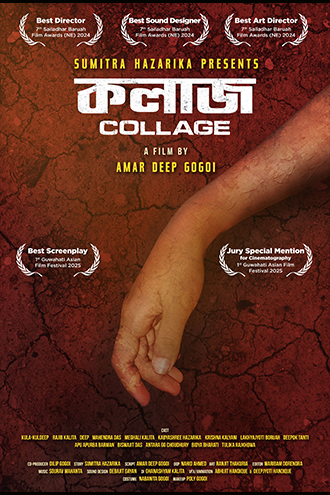
During the turbulent decades of the eighties and nineties in twentieth century Assam, ambitious young men Baikuntha and Abinash emerged with the vision of transforming society. Their movement became intertwined with the lives of Aimoni, Rupali, Robson Munda, Aparajita, Umakanta, and Rohila Auntie. Relationships were fractured, and many lives were lost. Will they achieve their goal of societal change ? Can they cultivate a new culture ? Or has the sorrow of heartbreak and shattered dreams cast a shadow over everyone?
The Director will be present for a post screening discussion.
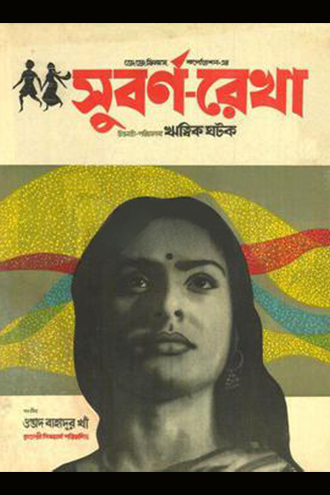
Subarnarekha follows Ishwar Chakraborty, a Hindu refugee who flees East Pakistan after Partition with his young sister Sita and settles in a camp in West Bengal. There they witness the abduction of a low‑caste woman and take in her orphaned son, Abhiram. An old college friend, Rambilas, helps Ishwar secure a factory job near the Subarnarekha River, and the makeshift family begins a fragile new life in the settlement of Chatimpur. Years later, when Abhiram and Sita fall in love, Ishwar’s deep‑seated caste prejudice drives him to oppose their union, eventually forcing the young couple to elope to Calcutta. Tragedy strikes relentlessly thereafter—Abhiram is killed by a mob, Sita is pushed toward prostitution, and in a devastating twist of fate a drunken Ishwar unknowingly enters the brothel where she works, prompting her to take her own life rather than face him. Broken and alone, Ishwar finally encounters Sita’s little son Binu and, choosing hope, sets out to raise the boy beside the river whose name means “golden thread.”
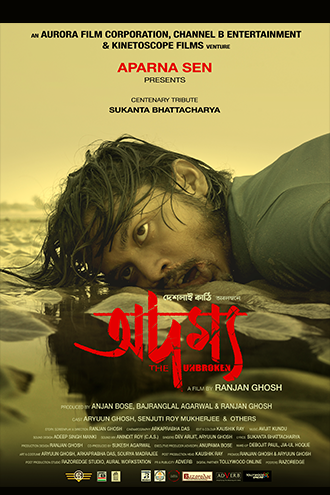
A political assassination goes wrong. Palash, the 23-year-old hunter becomes the hunted, and as he flees from the system, the meaning of the movement and the collective goes through several changes. Set in the delta region of Eastern India, home to long standing conflicts between man, nature and the state, it is a character study of the young man as we debate - is he an extremist? Or a revolutionary? It’s the strength of the collective and his belief in it, his personal discovery of betrayals, isolation, and eventual martyrdom. Death comes swiftly through the darkness of the night but the spirit of the movement remains unbroken. A new dawn sees a new fight.
The Director will be present for a post screening discussion.
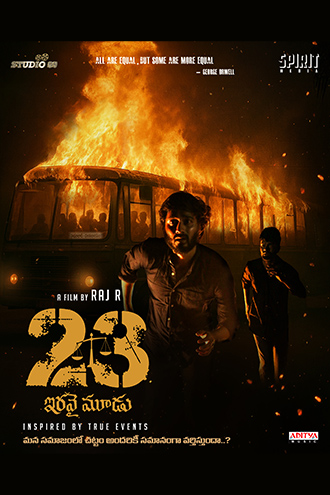
23-Iravai Moodu is a gripping social drama inspired by true events, including the 1991 Tsunduru massacre, the 1993 Chilakaluripet bus burning and 1997 Jubilee Hills bomb blasts. It explores themes of violence, justice and societal unrest.
The Executive Producer Venkat Siddareddy will be present for a post screening discussion.
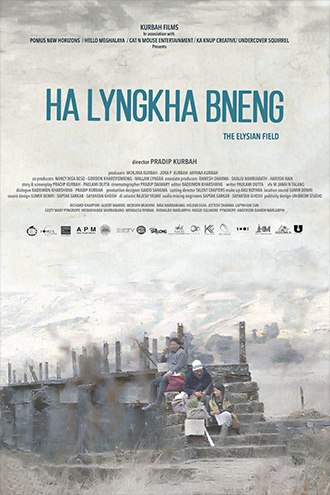
The Elysian Field is a film that explores the profound beauty of human connection amidst the challenges of change. Set against the tranquil landscapes of 2047 in the East Khasi Hills, our story follows the journey of Livingstone and his fellow villagers as they navigate the complexities of loss, love, and resilience. At its heart, "The Elysian Field" is a testament to the enduring power of community. In a village where only six souls remain, the bonds of friendship become a lifeline, offering solace in the face of urban migration and loneliness. Through their shared experiences of grief and longing, our characters discover the true essence of human connection, finding strength in each other's company.
Against the backdrop of nostalgia and hope, our narrative unfolds with a sense of poignancy and grace. Livingstone's journey aboard a vintage bus becomes a symbolic pilgrimage, a testament to the enduring love he carries for his late wife, Belinda. Alongside him, a cast of endearing characters emerges, each grappling with their own dreams and desires amidst the backdrop of loss.
Through moments of triumph and adversity, our villagers stand as
beacons of resilience, their collective spirit unyielding in the face of
life's uncertainties. Their stories, woven together like a tapestry of
human experience, resonate with the timeless truths of love, loss, and the enduring power of solidarity.
The Director will be present for a post screening discussion.
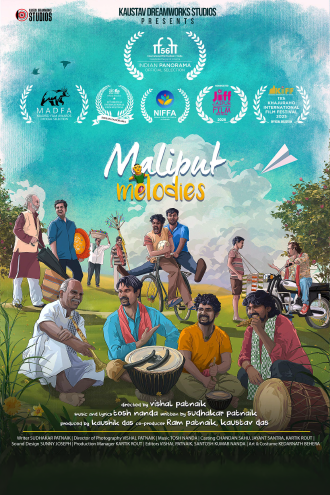
Maliput Melodies is a heartwarming Odia film portraying rural Odisha through four moving stories. From shattered Rathyatra dreams in “Kanaphula” to conflicting ambitions in “Rangamati,” anxious wait in “Baidakaria,” and wedding struggles in “Bhibhaghar,” the film beautifully captures simple joys, aspirations, and resilience amid changing times.
The Producer Kaushik Das will be present for a post screening discussion.
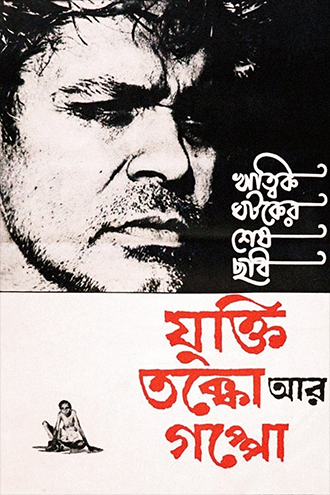
Jukti, Takko Aar Gappo is an autobiographical quest narrative. Ghatak stars as Nilkantha Bagchi, a disillusioned intellectual abandoned by his wife, who wanders the Bengali countryside. Joined by three peculiar companions—a homeless woman, an unemployed teacher, and a cynical writer—he journeys through a fractured, post-Partition landscape. The quest ends in a confrontation with a corrupt landowner and a climactic debate with Naxalite students, where Nilkantha is fatally shot, his death framing personal collapse as a metaphor for a burning society.
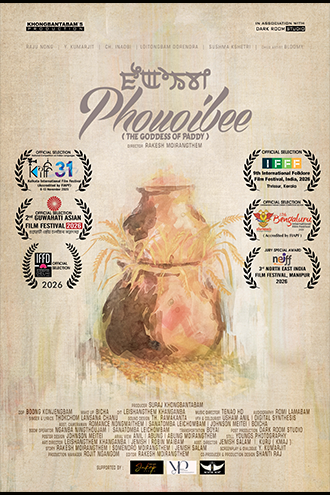
A man running an old-age home meets a mentally unstable man, later identified as Iboyaima from a remote village. On meeting his daughter and brother, he learns of their poverty and hope in sharecropping, praying to the Phouoibee goddess for a better life. Their dreams shattered when unknown miscreants caused an incident that left Iboyaima mentally disabled, plunging the family into deeper hardship.
The Producer Suraj Khongbantabam will be present for a post screening discussion.
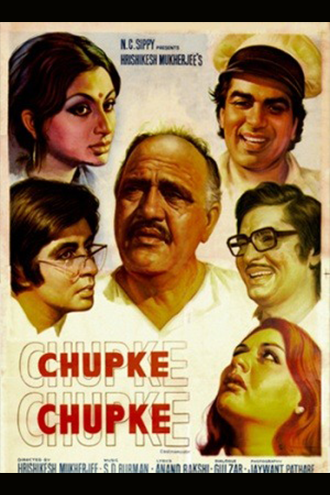
The botany professor Parimal Tripathi is irked by his new wife Sulekha’s boundless admiration for her brother-in-law, Raghavendra. With Sulekha’s full support, Parimal mounts an elaborate prank to prove that even a man of Raghav’s vaunted intelligence can be fooled. Disguising himself as a Hindi-purist driver, Parimal infiltrates Raghav’s household, where he pretends to have a secret affair with Sulekha to scandalize the family. Things escalate when he enlists his friend to impersonate the “real” Parimal, setting off a chain of mistaken identities, romantic entanglements, and uproarious chaos before the truth is finally revealed.

Komal Gandhar examines the ideological fracture within Calcutta’s progressive theatre movement against the still-open wound of Partition. The story revolves around two rival theatre groups—one committed to socially engaged, the other moving toward formalist, Western-influenced aesthetics. Bhrigu, a dedicated worker for the people’s theatre, falls in love with Anasua, a gifted singer from the opposing camp, their fragile romance embodying the search for harmony in a fractured society. As refugee crises simmer and artistic battles over "progressive" art intensify, the film delivers a highly critical, introspective look at whether art can truly heal a shattered world or only reflect its divisions.

Maya works three jobs to keep her family together, only to face her
greatest challenge when her husband goes missing.
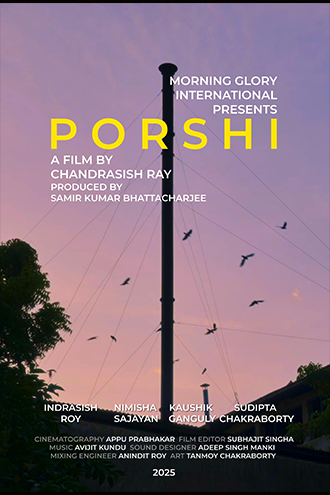
Like any other metropolitan city, Kolkata is a mix of diverse people. Bappa works as a supervisor in a movers-and-packers company owned by Ratan, his boss, who is almost torment personified. Bappa’s girlfriend, Monika, is running around the city in pursuit of a government job she has already cleared but has not yet received the offer letter for. Choto, a 22-year-old truck driver working under Bappa, is a village boy struggling to discover his own sense of right and wrong amid the bustle of this grey city. Siuli is a homemaker, raising two children and dealing with a drunken husband, never having imagined that her life would be trapped within the claustrophobia of four walls.
We are all Neighbours - Porshi (in Bengali) - to one another in some way or the other. We never know when we cross paths with a neighbour whose face we may not even recognize.
Porshi (Neighbours, in english) is a palette of independent colours who never realized that, together, they could form a rainbow.
The director will be present for a post screening discussion.
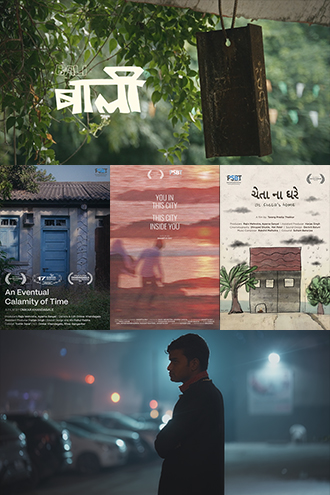
Bali (Marathi/ 2025/ 25 mins) Dir. Amoli Birewar. A young Banjara girl in rural Maharashtra, inspired by the movies, fights to become a Kabaddi player and escape a forced marriage. During a district-level tournament, she slips into a Bollywood-tinted dream—becoming, for one fleeting moment, the hero she has always imagined.
An Eventual Calamity of Time (Marathi/ 2025/ 20 mins) Dir. Omkar Khandagale. Realizing that his great-grandfather’s legacy is tools of his caste trade—a pair of scissors, a comb, and a mirror—a filmmaker sets out for his hometown, hoping to make sense of his family and their inheritance.
You in this City, This city inside You (Bengali/ 2025/ 28 mins) Dir. Amartya Ray. Through a series of unanswered phone calls, the narrator—a migrant cook in Bombay—shares his dreams, fears, and ambitions, as glimpses of daily life quietly unfold across the city. His voice becomes a quiet confessional, threading isolation and longing through the city’s indifferent hum.
Waiting for The Kings (Hindi/ 2025/ 30 mins) Dir. Omish Sharma. Pushed to the fringes of the very wedding celebrations they help bring to life, a group of migrant band players lingers in the city’s corners until the ceremony ends.
At Cheta's Home (Gujarati/ 2025/ 31 mins) Dir. Tarang Pradip Thakkar. As a daughter prepares to bid farewell to a childhood home, grief returns unannounced, leaving her once more at its quiet threshold.
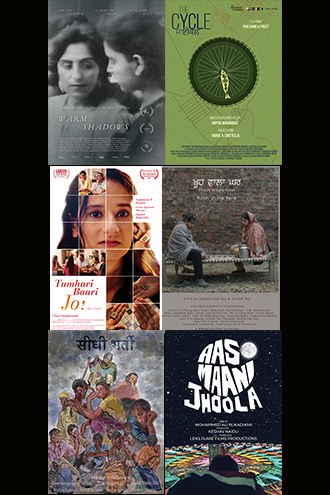
Warm Shadows (Punjabi, Hindi/ 2025/ 15 mins) Dir. Aakash Chhabra. Warm Shadows is a fragmented voice-over that unfolds the fractured yet tender relationship the two share. Priya tells him about the day she first met her husband and agreed to marry him because he wore embroidered shoes. Raag, in his twenties, sits in a taxi passing through the Busan metropolitan area. In the present, he returns home after his mother’s death, bearing the burden of never truly having known who Priya was as a person.
The Cycle (Hindi, Punjabi/ 2025/ 18 mins) Dir. Arpita Mukherjee. The Cycle follows a single day in the life of a young Punjabi housewife in Chandigarh, who becomes obsessed with losing weight after joining a local cycling club. As she pedals through the city's manicured streets and hidden corners, she begins to confront the true cost of seeking individuality and freedom within the rigid confines of domestic life.
Tumhari Baari Jo/ Jo's Turn (Hindi/ 2025/ 15 mins) Dir. Vinoo Choliparambil. Every Sunday, Jo's family gathers for their cherished Scrabble ritual—a small oasis of laughter and playful banter. But this Sunday,Jo, who has long hidden her sexuality from her traditional yet loving Indian family, decides to finally speak her truth.
Khooh Waala Ghar/ Room at the Farm (Punjabi/ 2025/ 23 mins) Dir. Jasmine Kaur Roy and Avinash Roy. Nihal is trapped in a relentless cycle of debt, fighting to hold onto his small plot of farmland. His refusal to accept defeat puts growing strain on his young marriage and tests the patience of his wife, Reet. Khooh Waala Ghar is the story of a couple struggling to express love in the face of hardship and an uncertain future—and a community's last stand against the relentless tide of development and inevitable change.
Aasmaani Jhoola (Hindi/ 2026/ 20 mins) Dir. Mohammed Ali Rukadikar. Set against the vibrant chaos of a century‑old annual Mela in Mahim, Mumbai, the film follows Munna, a 28‑year‑old pickpocket and struggling poet who steals as much for survival as for the thrill. When he lifts the wallet of Shraddha—a woman drifting aimlessly through the crowd—he discovers a suicide note tucked inside. Moved by her words, Munna races across the fairgrounds to find her, all while being hunted by a relentless cop. What unfolds is a tense, emotional journey of narrow escapes, a life‑changing ride on a Giant Wheel, and a moment of human connection that offers both Munna and Shraddha a fragile sliver of hope and redemption.
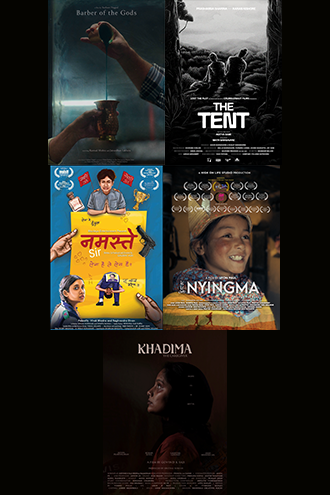
Barber of the Gods (Hindi/ 2025/ 20 mins) Dir. Sushant Nagpal. In a town in the 2000s, a barber and his son share an extraordinary gift: they can regrow a person’s hair—in exchange for years of their life. In a parallel realm drawn from Hindu cosmology, a celestial barber and his curious apprentice tend to the gods themselves. The film uses parallel timelines and a supernatural premise to examine generational conflict, inherited professions, and the burden of tradition, framing it as a critique of blind faith and the idea of sacredness.
The Tent (English/ 2026/ 30 mins) Dir. Aditya Sane. Chezan and Rumi escape the city for a camping trip deep in the Sahyadris. They wander into the woods, trading lighthearted confessions of their secrets. But one by one, the truths that surface grow heavier, and the banter takes on a sinister edge. As raw, unexpected vulnerabilities rise between them, the adventure turns into a test neither saw coming—one that will determine whether their relationship can survive.
Namastey Sir (Hindi/ 2026/ 38 mins) Dir. Gaurav Asri. When 15-year-old Deepak’s love letter falls into the hands of his abusive teacher, nicknamed Dracula, a public humiliation ignites a quiet campaign of revenge. With his friends, Deepak stages subtle provocations that escalate into a bold act of defiance during the school’s morning assembly, uncovering hidden truths about Dracula’s past. But as their small victories mount, Deepak begins to question the morality of vengeance—and when Dracula’s departure coincides with Sapna’s disappearance, he must confront the unforeseen consequences of his rebellion. Namaste Sir is a poignant coming-of-age story exploring teenage resilience, empathy, and the cost of retribution.
Nyingma… Through Her Eyes (Spiti Bhoti/2025/ 20 mins) Dir. Liton Paul. In a high-altitude Himalayan mountain village, a young girl named Nyingma lives with her family. She's very ambitious and hopes to attend school, relying on her father's promise to send her after the long, harsh winter. Set against the backdrop of the Himalayas, this poignant story explores themes of resilience, hope, love and bonding as Nyingma navigates the challenges of life and the complexities of growing up.
Khadima: The Caregiver (Malayalam/ 2025/ 15 mins) Dir. Govind K. Saji. After three years of brutal abuse in the Persian Gulf, Janaki, a desperate housemaid, plots her escape. With help from a social activist, she's granted one final video call with her special child before she slips away into the night—a short, searing exposé of the Kafala system.

Moti (Bengali, Hindi/ 2025/ 16 mins) Dir. Yash Saraf. During the pandemic lockdown in Kolkata, a boy named Rohil is stunned when his dog Moti suddenly turns into a boy. Trapped indoors with their pet-turned-human, the family watches Moti learn to walk and talk—until he realizes he has lost his dog's sense of smell, which for him is like going blind.
Roses Are.. (Marathi/ 2025/ 39 mins) Dir. Digvijay Andhorikar. Gita plans to elope with her lover Ravi on Valentine's Day. But when Deepali—the teenage daughter of the brothel keeper—mistakes Ravi's kindness for romance, an obsessive crush spirals into jealousy, leading to a violent confrontation. As wounds heal and painful truths surface, Gita forgives Deepali and reveals that Ravi has already left to marry someone else, urging the girl to find strength in a world where love is rarely what it seems.
Maaybaapache Aashirwaad (Marathi/ 2025/ 20 mins) Dir. Apurva Bardapurkar. Maaybaapache Aashirwaad follows overprotective parents Sangeeta and Suryakant, who will go to any length to guard their son's childhood secret from his girlfriend. As the girlfriend grows closer to uncovering the truth, the parents' desperate measures spiral into absurd, morally tangled situations. In this sharp family drama, love, shame, and control collide—forcing everyone to ask whether some secrets are worth protecting at all.
Two Sinners (Hindi, Urdu/ 2025/ 12 Mins) Dir. Samir Zaidi. In the dense Indian forest, mid-20s Azhar is forced by his elder brother to execute the man who assaulted their sister. Torn between his deep aversion to violence and a consuming need for retribution, Azhar wrestles with his conscience as patriarchal codes of honour push him toward an act he never wanted. The film dissects aggression, manipulation, and the brutal cost of taking justice into one's own hands.
That’s A Wrap (Hindi & English/ 2025/ 23 mins) Dirs. Sunny Hinduja and Shinjini Raval. On the final day of shooting an indie drama, a married couple prepares to film their story’s emotional climax. As the cameras roll, the line between fiction and reality blurs. Unspoken tensions and insecurities bleed into their performance. What begins as acting becomes a reckoning, revealing truths their marriage has long avoided.
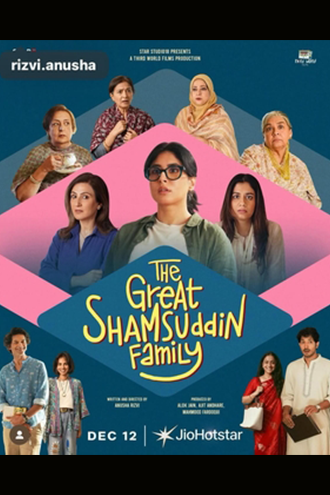
The Great Shamsuddin Family, a writer faces the most critical deadline of her career while her Delhi apartment descends into mayhem. Over the course of a single, sweltering day, she attempts a desperate 12-hour writing sprint, but her plans are constantly upended by an escalating domestic emergency involving her sprawling, quarrelsome, and utterly chaotic family. As tensions flare across generations—arguments over faith, urban anxieties, sibling rivalries, and unspoken grief collide—the cramped home becomes a microcosm. Rizvi masterfully juggles humour and heartbreak, turning the writer’s struggle for focus into a razor-sharp satire of family, faith, sisterhood, and survival. In the end, the deadline isn’t just about words on a page—it’s about reclaiming her voice amid the beautiful, maddening noise of belonging.
The Director will be present for a post screening discussion.
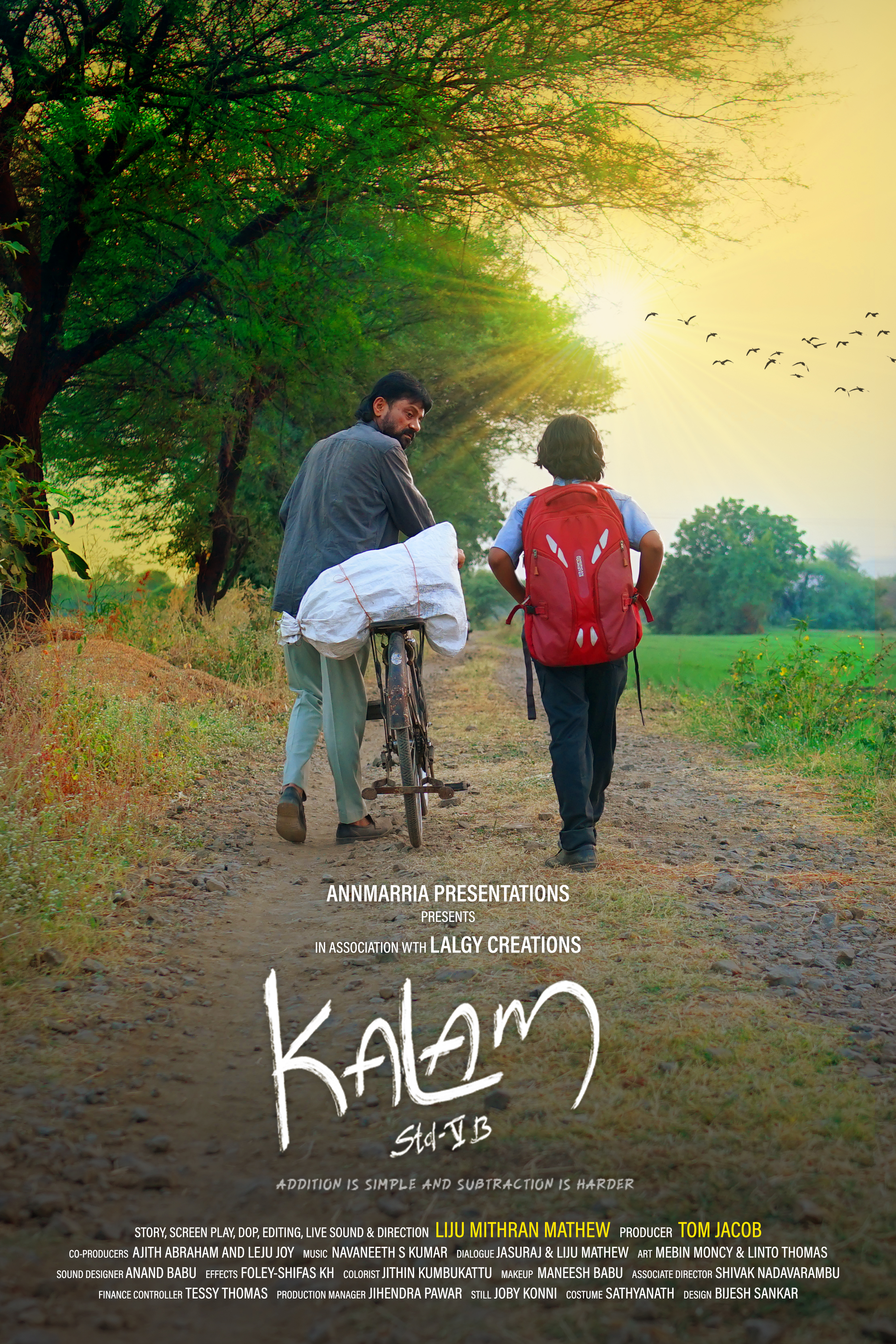
"Journey of Resilience: A Tale of Hope, Unity, and the Power of Love". In the bustling streets of India, young Kalam's life is a tapestry of adventure and resilience. Despite his tender age, Kalam possesses a wisdom that sets him apart, always ready to assist his family.
But beneath his cheerful demeanor lies a hidden burden—seizures that trouble him, moreover the family expectations amidst religious differences.
Among all the chaos of their daily lives, their humble efforts to make ends meet. During his usual walk to school, Kalam encountered street kids attempting to break a gas cylinder, thus it began leaking. With quick thinking, Kalam averted a potential disaster. Inspired by the encounter, Kalam embarked on a mission to teach the street kids English, initially met with disinterest. To engage them, he ingeniously incorporated cricket terminology, their beloved sport, into his lessons.
As tensions rise with the announcement of the National Citizen Amendment Act, fear grips the
family, threatening to tear them apart. Where Kalam's disguised presence sparks a chain of events that will change their lives forever.
Kalam's story unfolds in a tale of resilience, courage, and the enduring power of love with massive struggle further more each twist and turns.

A local militant group from Northeast India assigned Longsing to recruit member in a remote village. He meets School teacher who opposes their activities.The group order longsing to kill him. He loses faith and leaves them and plans to change the path but his dream never comes true.
The Director joins via Zoom, while Editor Sersumbi Terang will be present for a post screening discussion.
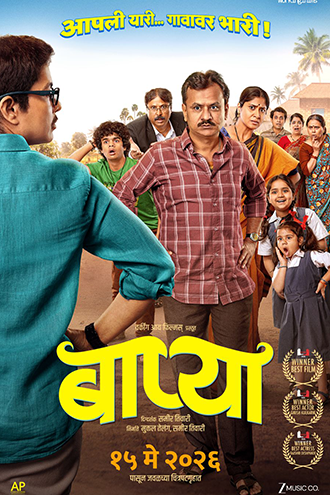
Baapya is a warm, rooted comedy-drama set in coastal Konkan that explores how an ordinary family and their close-knit town are forced to confront change, identity, and long-buried emotions when an unexpected return from the past disrupts their carefully settled lives. Blending humour with tenderness, the film looks at relationships, masculinity, acceptance, and the quiet courage it takes for people to grow — not just individually, but together as a family and a community.
The Director will be present for a post screening discussion.
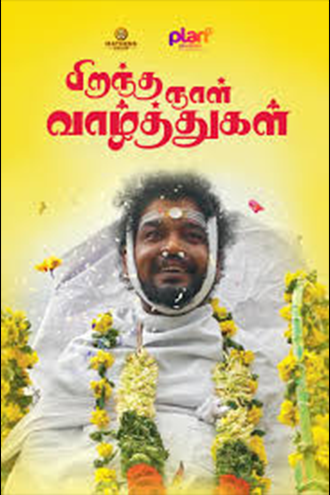
Anpu (Appukutty), who leads the group of young men in the village, are heavy drinkers and smokers. His wife, family friends, and the villagers opposed his lifestyle and forced him to stop excessive drinking. His wife is pregnant and about to give birth. Anpu holds the belief that alcohol is the only source of enjoyment in life. He lives irresponsibly, following his own whims without regard for consequences. One day, his life took an expected turn, and he witnessed how society perceived him, his social responsibilities, and the value of life.

When a twelve-year-old girl vanishes without a trace, her disappearance fractures not only a family but time itself. At the center of the storm is her mother—a woman torn between quiet ambition and fierce affection. What begins as a physical search for a missing child soon becomes a metaphorical journey across memory, guilt, and the blurred boundaries of parental love. Through the lenses of adoption and responsibility, Dear Maa explores the silent, often unspoken conflict within a mother’s heart: the pull of her own dreams versus the primal duty to protect. As the search deepens, the mother must cross every line—real and imagined—to find not just her daughter, but the meaning of motherhood itself.
The Director joins via Zoom for a post screening discussion.
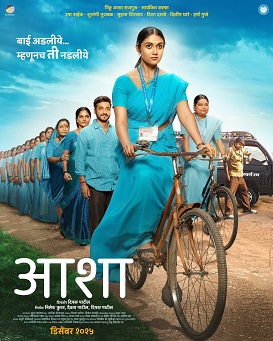
Malti, a fearless ASHA worker, risks everything for her community and joins an elderly boss lady, a drunk troublemaker and a friend on a chaotic mission that transforms her community and proves heroes can come from the most ordinary people.
The Producer Daivata Patil will be present for a post screening discussion.